
CES 2026 and the Hidden Engine Behind the Show Floor
Large-scale events like CES do not run on hype alone. They run on planning, timing, and execution. That is where experienced event logistics services come into play.
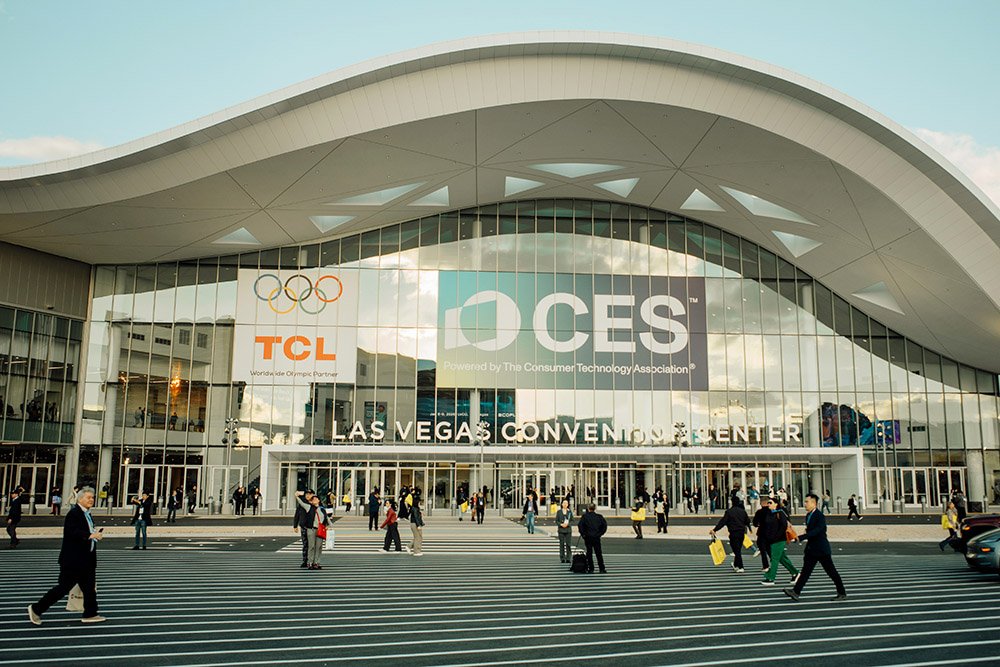
Every January, CES takes over Las Vegas and shows what happens when innovation meets scale. Thousands of exhibitors. Multiple venues. Tight schedules. Constant movement from dock to demo.
What most people see is the technology. What they do not see is what makes it all possible.
Logistics.
As highlighted across recent CES coverage from TechCrunch, the show continues to push boundaries with startups, hardware, AI, and hands-on innovation. Behind every booth and demo is a freight plan that had to be executed perfectly.
A Citywide Load-In
CES is not a single-hall event. It stretches across convention centers, hotels, ballrooms, and pop-up venues throughout Las Vegas. Each location brings its own delivery rules, docks, and timelines.
That scale changes everything.
Exhibitors are not just shipping booths. They are shipping sensitive technology, live demos, and equipment that must be operational the moment the doors open.
When events sprawl across a city, logistics becomes coordination, not just transportation.
Heavier Freight, Higher Expectations
This year’s show leaned heavily into hands-on experiences. Interactive displays, robotics, and working prototypes raised the bar on freight planning.
Heavier shipments, tighter setup windows, and zero room for delays. When a booth experience depends on technology performing on cue, logistics becomes part of the brand experience.
Timing Is the Real Currency
At CES, timing is everything. Miss a target move-in window and the ripple effects add up fast.
Late freight can mean overtime labor, compressed setup schedules, or teams troubleshooting while attendees are already on the floor. For shows of this size, shipping early and planning buffers is not optional. It is essential.
The Dock Is Where the Show Really Starts
Behind the scenes, the dock is where CES truly comes to life. Inbound freight, material handling, and on-site movement all have to work in sync, especially at a show of this scale. From staging shipments to delivering crates to exact booth locations, every step matters.
Crates are tracked. Freight is staged. Material handling crews move equipment across massive venues on tight schedules. Every label, every target time, and every handoff plays a role.
This is where experience makes the difference between a smooth load-in and costly delays. For a deeper look at how this process works on the show floor, check out our guide on drayage, material handling, and trade show freight.
Where Event Pro Logistics Fits In
Events like CES demand more than basic shipping. They demand partners who understand how trade shows actually operate.
Event Pro Logistics helps exhibitors plan freight early, navigate complex venues, and keep shipments on schedule. From advance warehouse decisions to show site coordination, EPL focuses on making sure everything arrives ready for the show.
You do not notice great logistics when it is working. You only notice when it is not.
The Show Starts Long Before the Doors Open
CES 2026 made one thing clear. As trade shows get bigger and more ambitious, logistics becomes more critical, not less.
Because no matter how impressive the innovation, it still has to get there.