
What Every Planner Needs to Know About Drayage, Material Handling & Freight
Ever look at your show invoice and wonder what half the charges mean when it comes to your trade show shipping?
Drayage, material handling, freight... they all sound similar until you realize they show up on three different lines. For planners and exhibitors, understanding these terms is the key to avoiding surprise costs and keeping your event on schedule.
What Is Drayage (and Why Does It Cost So Much)?
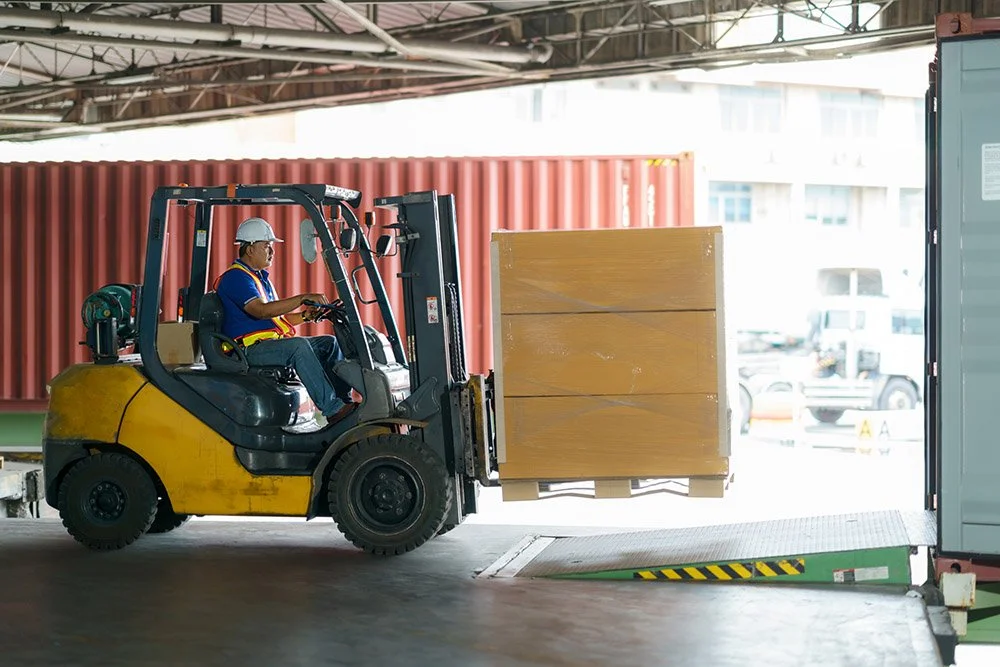
Drayage is the fee charged for moving your freight within the convention center. Once your shipment arrives at the dock, a crew takes over to unload it, store it, and deliver it to your booth space. That short distance from truck to booth is what you are paying for.
Drayage rates are usually based on the weight of your shipment and the type of materials used. Union labor, timing, and handling complexity can all affect the final cost. It might seem steep for such a short move, but it covers the equipment, storage, and labor needed to get your freight from dock to display safely and on time.
How to save on drayage:
Consolidate shipments to reduce the number of pieces handled.
Follow your target move-in time to avoid overtime fees.
Use lightweight or reusable crates when possible.
Label everything clearly to prevent misplaced freight.
Material Handling vs. Drayage: What's the Difference?
The terms often get used interchangeably, but there is a subtle difference. Material handling refers to the overall process of receiving, storing, and delivering your freight to your booth. Drayage is one part of that process - the physical movement of freight from dock to booth and back again after the show.
Think of it this way: you ship your materials to the advance warehouse before the event. When they arrive at the convention center, the material handling team unloads them, moves them to your booth, and later returns them to the dock for outbound shipping. That movement is drayage, and it is billed separately.
Understanding how these two services connect helps you plan better and anticipate charges before they hit your invoice.
Understanding Trade Show Freight
Freight is the transportation of your materials from your facility to the event city. This part of the journey usually involves a carrier like Event Pro Logistics that specializes in trade show shipping. Freight is the longest leg of the trip, and when managed correctly, it sets the tone for a smooth setup.
The key decision most planners face is whether to ship to the advance warehouse or direct to show site.
Advance warehouse: Freight arrives early and is stored safely until move-in begins. It costs a little more but gives you peace of mind.
Direct to show site: Freight arrives on your assigned move-in day. It can save on storage fees but leaves less room for error if schedules shift or docks get crowded.
No matter which route you choose, communication between your freight carrier, show decorator, and on-site team is what keeps everything on track.
How to Plan Smarter (and Save)
Trade show logistics are complex, but small adjustments can lead to big savings. Start with a clear plan:
Review the exhibitor manual to confirm deadlines and target move-in times.
Ship early when possible to avoid premium rates.
Label all freight with booth numbers and contact information.
Share shipping details with your on-site team and partners.
A little organization upfront prevents costly mistakes later.
The Event Pro Logistics Advantage
EPL connects every part of the process - freight, drayage, and material handling - into one smooth system. We know how convention centers operate, we speak the same language as show contractors, and we track your freight every step of the way. Our team ensures your materials move from dock to booth without detours, delays, or hidden fees.
With EPL, you can count on a partner who keeps things calm, clear, and right on schedule.